

As the chill of evening settles in, the comforting embrace of a steaming bowl of Persian noodle soup, or Ash Reshteh, calls out to me like an old friend. This lush, plant-based dish is a tapestry of textures, with hearty legumes, tender noodles, and a vibrant mix of fresh herbs that brighten each spoonful. Perfect for chilly nights or family gatherings, this Persian Noodle Soup Recipe not only nourishes the soul but also packs a protein punch, making it a satisfying choice for anyone seeking to swap fast food for something wholesome. Plus, it’s entirely freezer-friendly, so you can prepare a big batch and enjoy warmth at your convenience. Are you ready to dive into this comforting culinary journey?
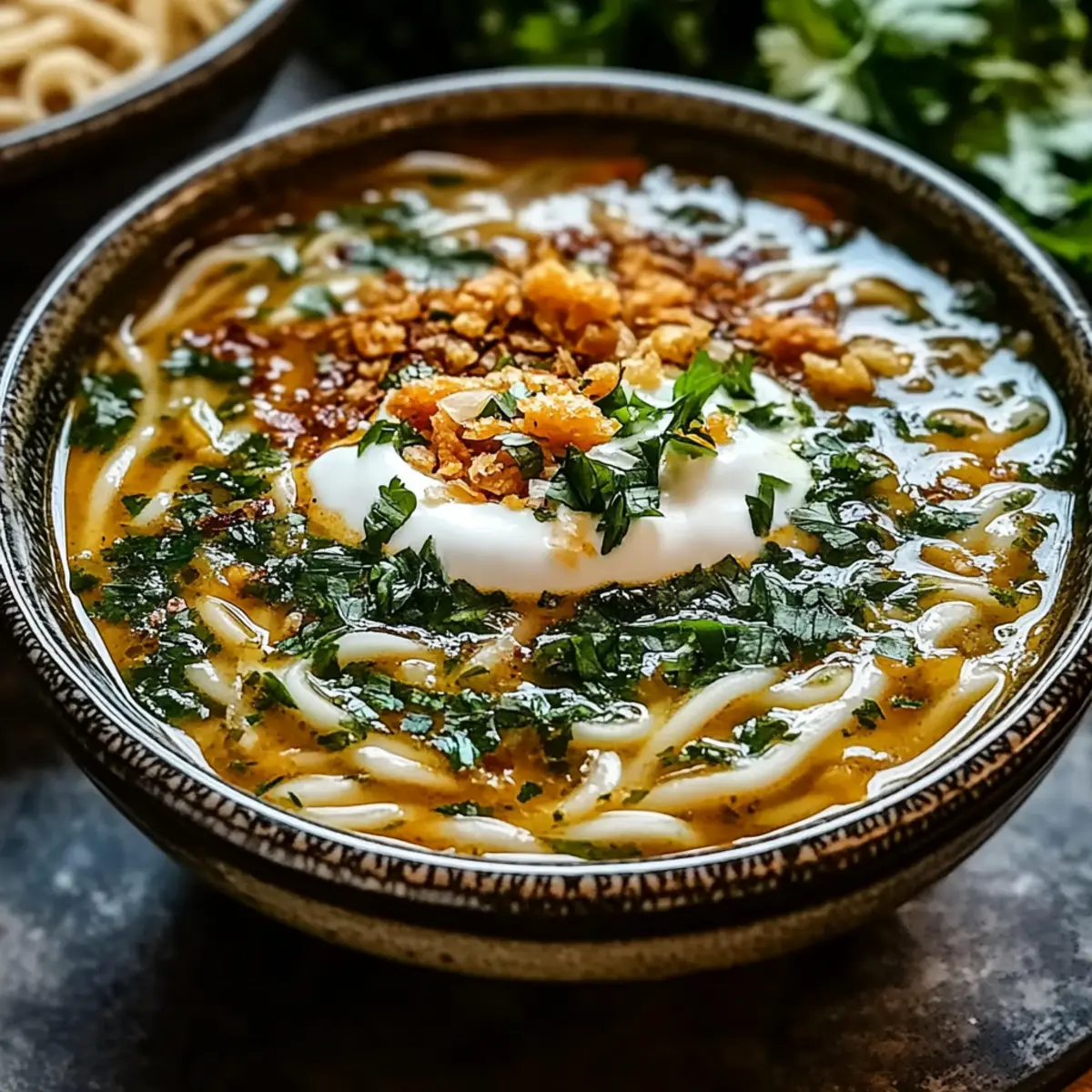
Why Will You Love This Soup?
Heartwarming Tradition: This Persian noodle soup, or Ash Reshteh, is steeped in cultural significance, perfect for sharing with loved ones during special occasions.
Nourishing Goodness: Packed with protein from lentils and beans, this plant-based recipe keeps you satisfied without sacrificing flavor.
Colorful Freshness: The vibrant herbs add a bright pop of color and aroma, enhancing the winter meal experience.
Versatile Enjoyment: Easily adjust ingredients based on what you have on hand, like swapping navy beans for black beans, ensuring you can always make it your own.
Freezer-Friendly: Meal prep made simple! Make a large batch ahead of time, and enjoy comforting warmth whenever the craving hits. Why not pair it with warm flatbreads or a fresh salad for a complete meal? Enjoy this delicious Creamy Chicken Potato Soup next for another comforting dish!
Persian Noodle Soup Ingredients
For the Base
- Olive Oil – Adds richness and helps sauté the base; vegetable broth can be used for a lighter option.
- Onion (1 large, diced) – Provides sweetness and depth of flavor; shallots can be a suitable substitute.
- Garlic (4 cloves, minced) – Enhances aroma and flavor; adjust quantity to taste if you prefer milder garlic notes.
- Turmeric (1 teaspoon) – Adds earthiness and vibrant color; fresh turmeric can be used if available.
- Vegetable Broth (6 cups) – Serves as the flavorful soup base; homemade broth enhances taste, while store-bought is convenient.
For the Protein
- Lentils (1 cup, rinsed) – Contributes protein and fiber; substituting with split peas may slightly alter texture.
- Chickpeas (1 cup, cooked) – Adds creaminess and protein; you can use canned or cooked from dried beans.
- Navy Beans (1 cup, cooked) & Kidney Beans (1 cup, cooked) – Both add heartiness; any mix of cooked beans can work here.
For the Noodles
- Persian Noodles or Linguine (½ pound) – Offers the traditional texture; other pasta types (like spaghetti) can be used.
For the Greens
- Spinach (3 cups, chopped) – Provides freshness and nutrients; kale or other greens can substitute if preferred.
- Cilantro (1 cup, chopped) – Adds bright flavor; feel free to use parsley or another herb if you like.
- Parsley (1 cup, chopped) – Enhances the freshness; could be swapped with basil in a pinch.
- Dill (1 cup, chopped) – Offers aromatic notes; fresh dill elevates the dish but dried will work in a bind.
For the Finish
- Salt and Pepper – Essential for seasoning to taste; adjust depending on the sodium level of your broth.
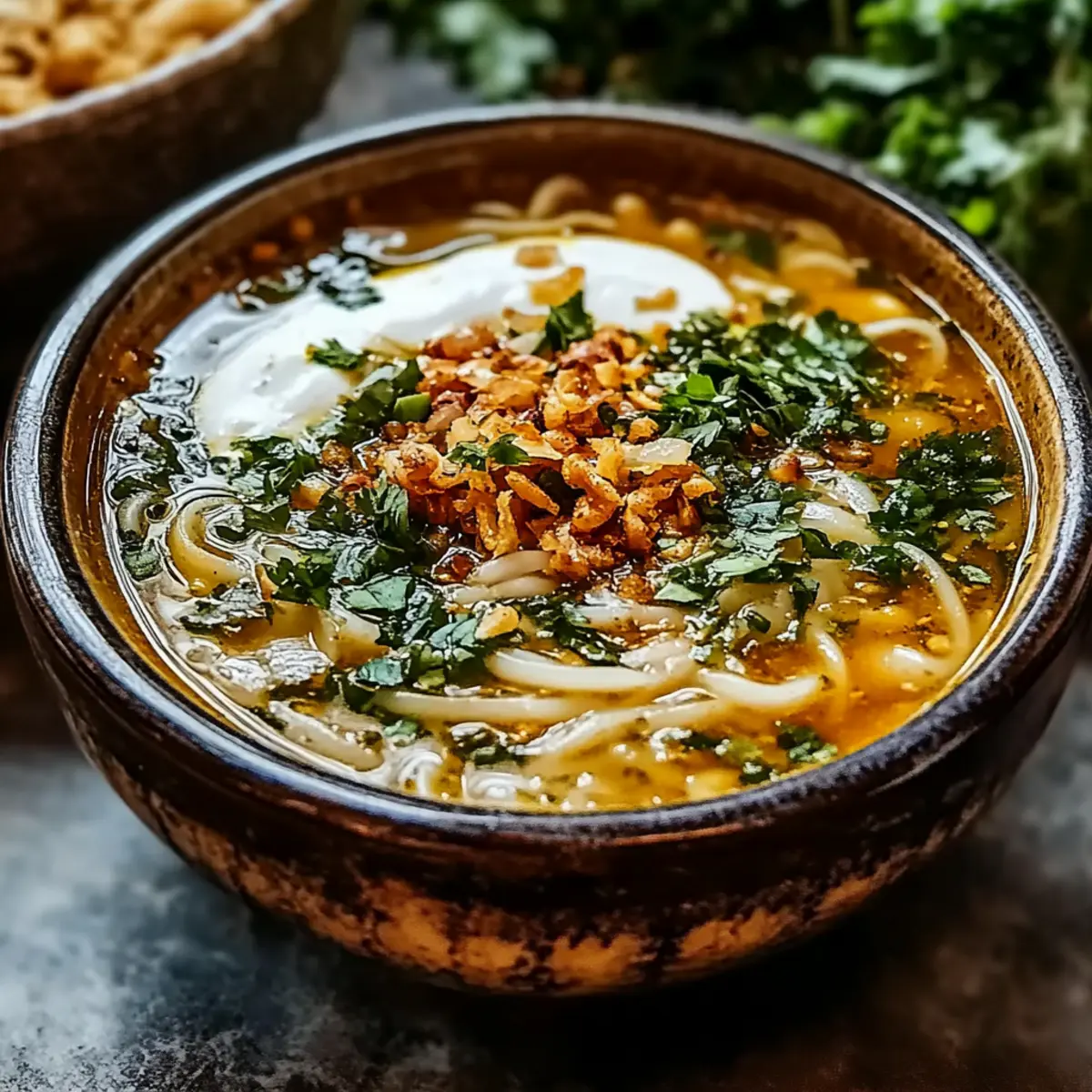
- Sour Cream or Yogurt (for serving) – Adds creaminess and tang; plant-based yogurt can be used for a vegan option.
- Fried Onions (for garnish) – Introduces a crunchy, savory element; crispy shallots or chives can be used instead.
This Persian Noodle Soup Recipe is not only a comforting delight but also a celebration of flavors and textures that you can easily customize to suit your taste. Enjoy!
Step‑by‑Step Instructions for Persian Noodle Soup Recipe
Step 1: Sauté the Base
In a large pot, heat 3 tablespoons of olive oil over medium heat. Once shimmering, add 1 large diced onion, sautéing for 5–7 minutes until it turns soft and golden brown. This process enhances the sweetness and depth of flavor, laying a flavorful foundation for your hearty Persian noodle soup.
Step 2: Add Aromatics
Stir in 4 minced garlic cloves and 1 teaspoon of turmeric into the pot, cooking for another 1–2 minutes until fragrant. You’ll know it’s ready when the garlic is golden and aromatic, infusing the oil with rich flavors that will elevate your Persian noodle soup.
Step 3: Pour in the Broth
Carefully pour 6 cups of vegetable broth into the pot, bringing the mixture to a gentle boil. Add 1 cup of rinsed lentils, 1 cup of cooked chickpeas, 1 cup of cooked navy beans, and 1 cup of cooked kidney beans. Reduce the heat to low and let it simmer for 20 minutes, allowing the legumes to soften and meld their flavors into the soup.
Step 4: Cook the Noodles
After simmering, add ½ pound of Persian noodles or linguine to the pot, stirring gently to ensure they’re submerged. Cook for about 10 minutes until the noodles are tender but still have a bite. This step is crucial, as overcooking can lead to mushy noodles in your comforting Persian noodle soup.
Step 5: Stir in the Greens
Once the noodles are cooked, incorporate 3 cups of chopped spinach, 1 cup of chopped cilantro, 1 cup of chopped parsley, and 1 cup of chopped dill. Cook for an additional 5 to 7 minutes until the greens are wilted and vibrant, adding a fresh pop of color and nutrition to your hearty soup.
Step 6: Season to Perfection
Taste your Persian noodle soup and season generously with salt and pepper, adjusting to your preference. Let the soup sit for a few minutes off the heat to allow the flavors to marry beautifully. This final touch ensures each bowl is perfectly seasoned and satisfying.
Step 7: Serve with Toppings
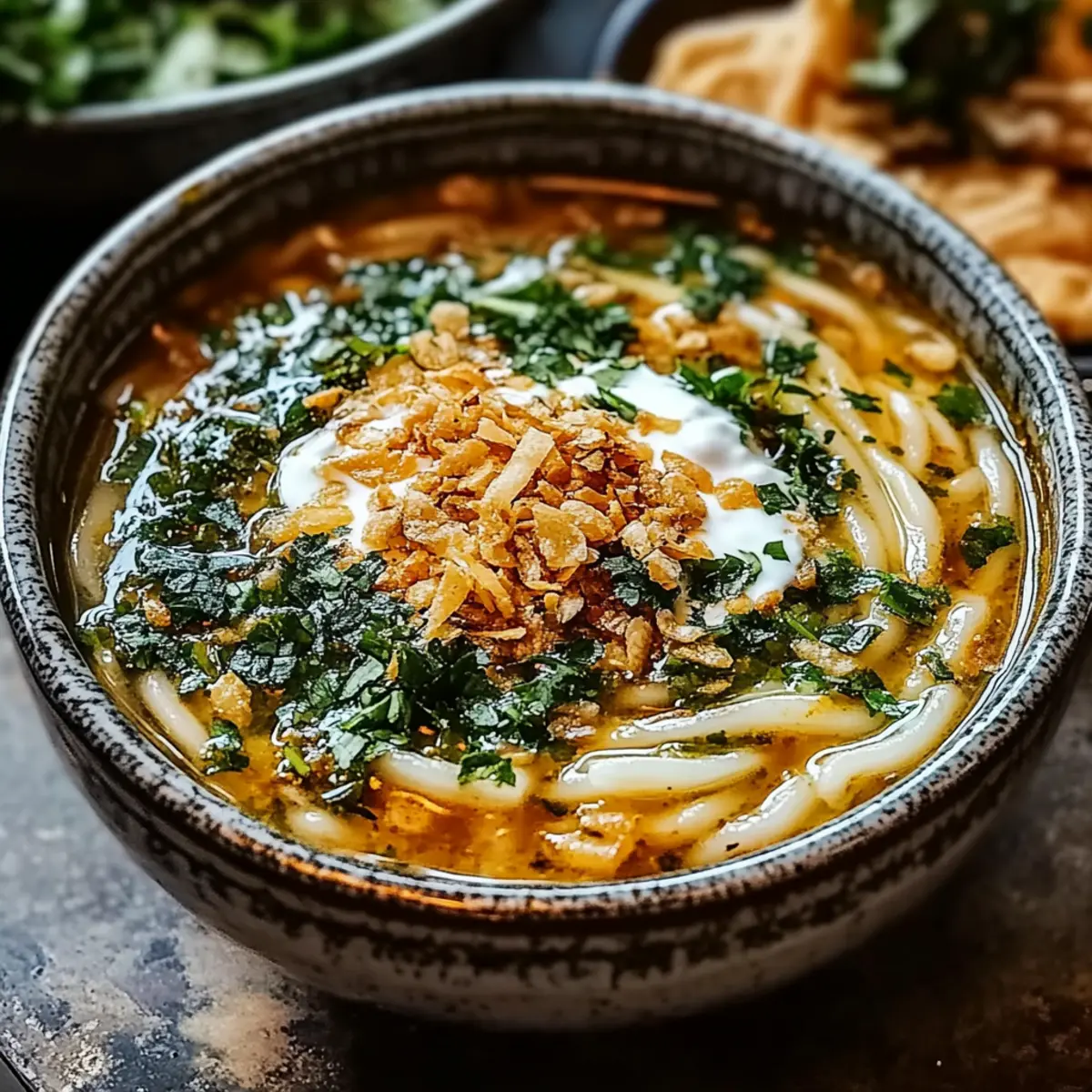
Ladle the hot Persian noodle soup into bowls, and top each serving with a dollop of sour cream or yogurt for creaminess. Finish with a sprinkle of fried onions, adding a delightful crunch that contrasts beautifully with the comforting warmth of the soup. Enjoy the warmth of this nourishing dish!
How to Store and Freeze Persian Noodle Soup
Fridge: Store in an airtight container for up to 5 days. The flavors deepen over time, making it even more delicious.
Freezer: For freezing, omit noodles and fresh herbs before packing. Store in freezer-safe containers for up to 3 months, adding noodles and herbs when reheating.
Reheating: Thaw overnight in the fridge, then gently reheat on the stove, adding a splash of vegetable broth to restore consistency if needed.
Serving Suggestion: Serve hot, topped with sour cream or yogurt, and a sprinkle of fried onions for added texture in your delightful Persian noodle soup.
Expert Tips for Persian Noodle Soup
-
Herb Freshness: Add fresh herbs at the very end of cooking to preserve their vibrant flavor and nutrients, ensuring your Persian noodle soup is fragrant and colorful.
-
Bean Preparation: If you prefer using dried beans, soak them overnight and adjust the simmer time accordingly to achieve the perfect tenderness in your soup.
-
Noodle Timing: Always add the noodles towards the end of the cooking process. This prevents overcooking and keeps them pleasantly al dente, creating the best texture in your Persian noodle soup.
-
Consistency Control: If your soup thickens too much, simply stir in extra vegetable broth or water while reheating. It should be hearty but not overly thick!
-
Make It Your Own: Feel free to substitute different beans based on what you have available. Black beans or pinto beans are great alternatives and add unique flavors!
Make Ahead Options
These comforting Persian Noodle Soup (Ash Reshteh) ingredients work beautifully for meal prep! You can chop the vegetables and herbs up to 24 hours in advance, ensuring they stay fresh when you’re ready to cook. Moreover, consider cooking the lentils, chickpeas, navy beans, and kidney beans ahead of time; store them in airtight containers in the refrigerator for up to 3 days. When you’re ready to serve, simply sauté the base, add the prepped ingredients, and finish with the noodles and fresh herbs for that vibrant flavor. Just remember to keep those noodles separate until you’re about to enjoy the soup to maintain their consistency! This way, you can whip up a satisfying, nutritious bowl of Persian noodle soup amidst a busy week, saving you precious time without compromising on taste.
Persian Noodle Soup Recipe Variations
Feel free to customize your Persian noodle soup and make it truly your own with these delicious twists!
-
Different Beans: Play around with beans such as black beans or pinto beans for a unique flavor profile. Each type of bean brings its own character, so mix and match based on preferences!
-
Whole Grain Pasta: For added nutrition, opt for whole grain pasta or choose gluten-free pasta for a gluten-free alternative. Your soup will be just as hearty and satisfying with these swaps!
-
Spicy Kick: If you love heat, add a pinch of cayenne or some chili flakes during cooking to spice things up. This simple addition can elevate your soup to dynamic new levels.
-
Herb Variations: Experiment with using fresh basil or mint instead of traditional herbs. They lend a beautiful aromatic touch that brightens the dish uniquely.
-
Flavorful Broth: Try using homemade broth to enhance flavor dramatically. If short on time, don’t hesitate to grab a quality store-bought version.
-
Add Citrus: A squeeze of fresh lemon or lime juice as a finishing touch can bring a refreshing, bright note that complements the rich flavors, enticing your palate!
-
Creamy Swaps: For a vegan twist, swap sour cream with a rich, plant-based yogurt. It will maintain the creaminess without compromising dietary preferences.
-
Warm Flatbreads: Serve with warm flatbreads or pita on the side for an authentic touch, reminiscent of traditional Persian dining. Alternatively, a fresh green salad makes a delightful accompaniment as well.
Each of these variations gives you a chance to explore and savor different aspects of this comforting dish. Consider pairing this soup with something like Creamy Chicken Potato Soup for the next meal to continue your journey of delightful flavors!
What to Serve with Hearty Persian Noodle Soup?
Warm up your dinner table with vibrant sides that enhance the comforting allure of this delicious soup.
-
Warm Flatbreads: Soft, pillowy flatbreads are perfect for scooping up the hearty soup; their chewiness contrasts beautifully with the silky noodles.
-
Fresh Green Salad: A crisp salad with mixed greens, tomatoes, and a tangy vinaigrette adds a refreshing brightness to your meal, balancing the rich flavors.
-
Mint Oil Drizzle: A drizzle of fragrant mint oil over the soup uplifts it with an aromatic twist, adding herbaceous depth and a burst of freshness.
-
Kashk (Fermented Whey): Traditional and authentic, adding a spoonful of kashk brings a creamy tanginess that complements the earthy flavors of the soup.
-
Pickled Vegetables: Serve crunchy pickles or torshi on the side; their tartness brilliantly contrasts with the soup’s warmth, making every bite exciting.
-
Lemon Wedges: A squeeze of fresh lemon juice brightens the flavors of the soup, lending a zesty kick that enhances its deliciousness perfectly.
-
Chickpea Fritters: Crispy chickpea fritters introduce a delightful crunch, creating a satisfying texture contrast against the soothing soup.
-
Caramelized Onions: Sweet, caramelized onions drizzled on top add a layer of savory richness, harmonizing beautifully with the beans and spices in the dish.
Persian Noodle Soup Recipe FAQs
How do I choose the right vegetables for my Persian noodle soup?
Absolutely! Freshness is key. When selecting vegetables, choose a large onion that feels firm and has no dark spots. For herbs, look for vibrant green cilantro, parsley, and dill with no wilting. The spinach should be bright and perky, without any yellowing leaves.
How do I store leftovers of Persian noodle soup?
To keep your soup delicious, store it in an airtight container in the fridge for up to 5 days. I often find that the flavors continue to improve as it sits! Just make sure to cool it to room temperature before sealing it up.
Can I freeze Persian noodle soup for later use?
Yes! For optimal freezing, omit the noodles and fresh herbs before packing the soup into freezer-safe containers. It can last for up to 3 months in the freezer. When you’re ready to enjoy it again, thaw it overnight in the fridge, then add cooked noodles and fresh herbs while gently reheating on the stove.
What should I do if my soup becomes too thick?
Very! If you find that your soup has thickened too much during cooking or after storing, simply stir in some extra vegetable broth or water while reheating. This will help restore a nice, comforting consistency without compromising the flavor.
Is this Persian noodle soup safe for people with allergies?
Definitely! This recipe is plant-based and generally safe for most diets, but always double-check your ingredients. If you’re cooking for someone with specific allergies, especially to legumes or grains, feel free to substitute or omit any components as needed. For a vegan option, just ensure you’re using plant-based yogurt or skipping the yogurt altogether!
What if I can’t find Persian noodles?
No worries! If Persian noodles aren’t available, you can use linguine or even spaghetti as substitutes. I recommend sticking with something that cooks similarly to maintain the comforting texture of your Persian noodle soup!
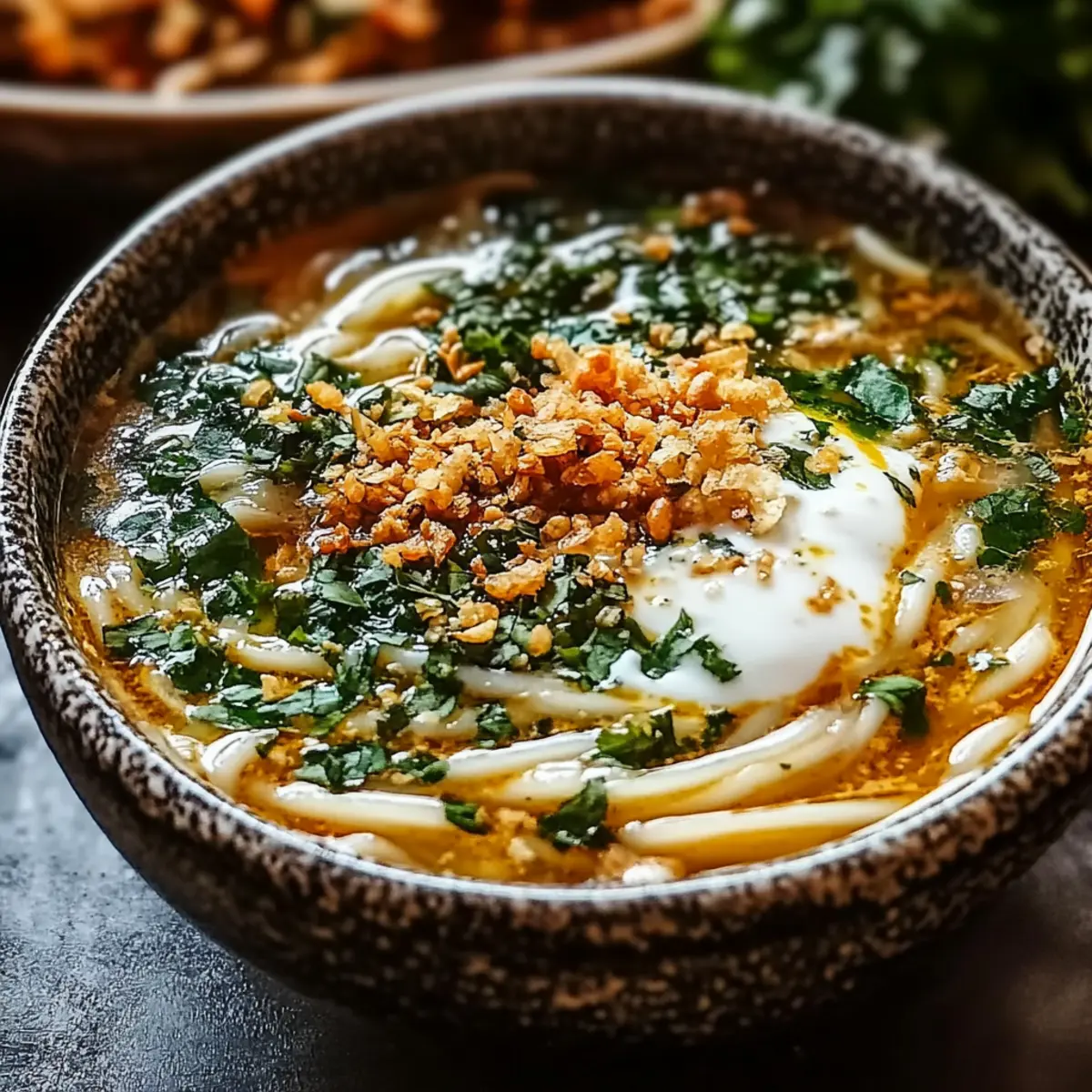
Comforting Persian Noodle Soup Recipe You'll Love This Winter
Ingredients
Equipment
Method
- In a large pot, heat 3 tablespoons of olive oil over medium heat. Add 1 large diced onion and sauté for 5–7 minutes until soft and golden brown.
- Stir in 4 minced garlic cloves and 1 teaspoon of turmeric, cooking for another 1–2 minutes until fragrant.
- Pour in 6 cups of vegetable broth, bringing to a gentle boil. Add 1 cup of rinsed lentils, 1 cup of cooked chickpeas, 1 cup of cooked navy beans, and 1 cup of cooked kidney beans. Reduce heat to low and simmer for 20 minutes.
- Add ½ pound of Persian noodles or linguine, stirring gently to submerge. Cook for about 10 minutes until noodles are tender.
- Incorporate 3 cups of chopped spinach, 1 cup of chopped cilantro, 1 cup of chopped parsley, and 1 cup of chopped dill. Cook for an additional 5 to 7 minutes until greens are wilted.
- Season generously with salt and pepper to taste. Let sit for a few minutes off the heat.
- Serve hot, topped with sour cream or yogurt and fried onions.